

Cross-Departmental Collaboration: Breaking Down Silos at Your Company Retreat
When marketing, operations, and sales rarely share more than a hallway nod, companies pay the price in missed ideas, duplicated work, and quiet frustration. The way teams are structured can quietly work against the very goals a company is trying to reach, and the longer those walls stand, the harder they become to move.
Table of Contents
ToggleThe good news is that a well-planned company retreat offers one of the most natural, effective settings for breaking those walls down. At Frogbridge Events, our 86-acre venue in Central New Jersey gives companies the space, activities, and atmosphere to bring departments together in a way that a conference room simply cannot. From team-building programs to wide-open outdoor settings, Frogbridge makes it easier for people to connect before the collaboration can start.
Why Silos Form in the First Place
Most workplace silos are not born out of hostility. They develop gradually as departments grow, specialize, and settle into routines that keep them focused inward. Over time, teams stop thinking about how their work connects to the bigger picture, and the gaps between departments begin to widen.
According to research published by the National Institutes of Health, a culture of collaboration reduces silos and helps organizations increase productivity, leverage resources, and build more inclusive environments. Yet the same research found that in many organizations, silos persist simply because there is no structured space for people from different teams to interact meaningfully.
A retreat changes that. When employees step away from their day-to-day environment, they become more open, more curious about their colleagues, and more willing to engage in conversations that would never happen at their desks.
How the Right Activities Tear Down Walls
The activities you choose at a retreat can do as much work as the conversations you plan. Structured team-building experiences are especially powerful because they place people from different departments in situations where they have to think together, communicate on the fly, and rely on each other’s instincts.
Competitive Games That Require Real Teamwork
Activities like outdoor laser tag or go-kart racing are more than just fun. When teams are assembled deliberately across departments, a little friendly competition quickly reveals who communicates well under pressure and who steps up to lead. These moments carry back to the office.
Physical Challenges That Build Shared Experience
There is something about overcoming a physical challenge together that creates genuine trust. The bungee trampoline and rock wall at Frogbridge push people outside their comfort zones in a safe, supported setting. When someone from accounting encourages someone from IT to finish a climb, that becomes a shared memory, and shared memories are the foundation of collaboration.
Lower-Stakes Activities for Quieter Connectors
Not every great collaborator is the loudest person in the room. Activities like mini golf or a round at the driving range give quieter employees room to open up and connect at their own pace. These slower, side-by-side experiences often produce some of the most genuine conversations of the day.
Making Cross-Departmental Connection a Goal, Not a Side Effect
A retreat will build some cross-departmental rapport by default, but the companies that get the most out of the experience treat collaboration as an intentional goal. That means thinking strategically about how you organize teams, what challenges you give them, and how you structure the day.
Here are a few ways to be more deliberate about it:
- Mix up your teams: When assigning groups for activities, pull people from different departments deliberately. Avoid defaulting to existing friend groups or functional clusters.
- Give teams shared problems to solve: Build in at least one activity or discussion where a cross-functional group has to work toward a real outcome, even if it is lighthearted.
- Debrief intentionally: After key activities, take a few minutes to ask what people noticed about how their team communicated. These conversations can be surprisingly revealing.
- Follow through after the event: The retreat is the spark, but what happens in the weeks after determines whether it leads to lasting change.
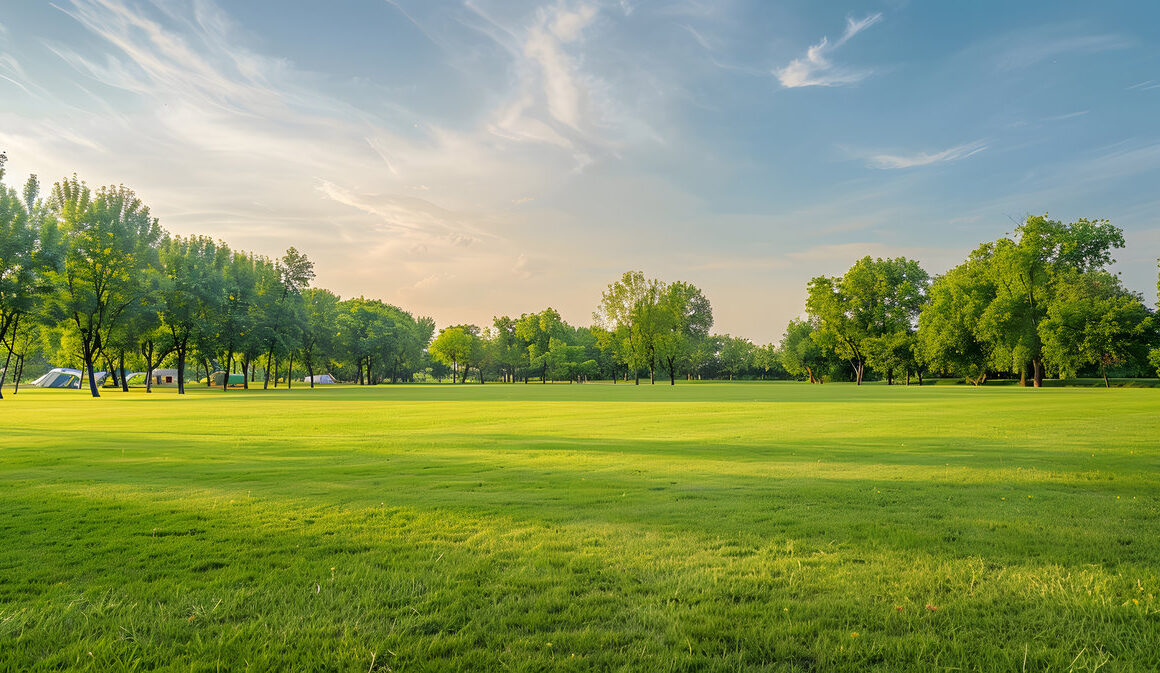
The physical setting matters here, too. When teams move through an expansive outdoor venue together, share a meal prepared by a skilled chef, and spend hours away from screens and schedules, the environment itself encourages openness.
Plan Your Collaborative Company Retreat With Frogbridge Events
If your departments feel disconnected, a company retreat at Frogbridge Events might be exactly what your team needs. Our event planners have helped Fortune 500 companies design experiences that bring employees together, spark new conversations, and build the kind of trust that carries back into the office.
From corporate picnic packages to full-day retreats with catering by Johnson & Wales-trained chef William Towle, Frogbridge offers everything you need for a meaningful, memorable event. Reach out to our team through our contact form to start planning the retreat that brings your people together.